With the advent of fast fashion, the amount of waste, clothes
and production waste, has skyrocketted.
It’s not enough for customers now to shop by season, by shops or
by influencers. Social media, self-confidence and insecurity
have left the industry in a serious battle of supply and demand.
With that comes higher impacts in production.
Quenching the thirst comes at a price. The
manufacturing process behind fast fashion is scary; with
textile dyeing the second highest contributor to water
pollution after agriculture.
Furthermore, fast-fashion contributes annually $500bn
worth of waste due to underutilised clothing or no recycling.
Along with this there is a massive imbalance in the distribution
of wealth and the ability to buy clothing through out the
world.
Resources:
What’s the Environmental Footprint of a T-Shirt?
Fashion's Environmental Impact
Donation drive
We took off the initiative by informing 1200 tenants and kids of
a local housing society in Bellandur, Bengaluru to donate any
piece of clothing, shoes, blankets that they would like to give
away.
We then put common boxes in each of the entrances of the housing
apartment to drop their give away.
On a fine Sunday evening, we gathered the kids and their
families in the local park to have a conversation on how fast
fashion and retail industry are contributing to environmental
change.
We also organized the kids in small groups to exchange a playful
activity where in they identified different channels to organize
and spread the word.
In the midst of December, Bengaluru has extremely cold
weather.
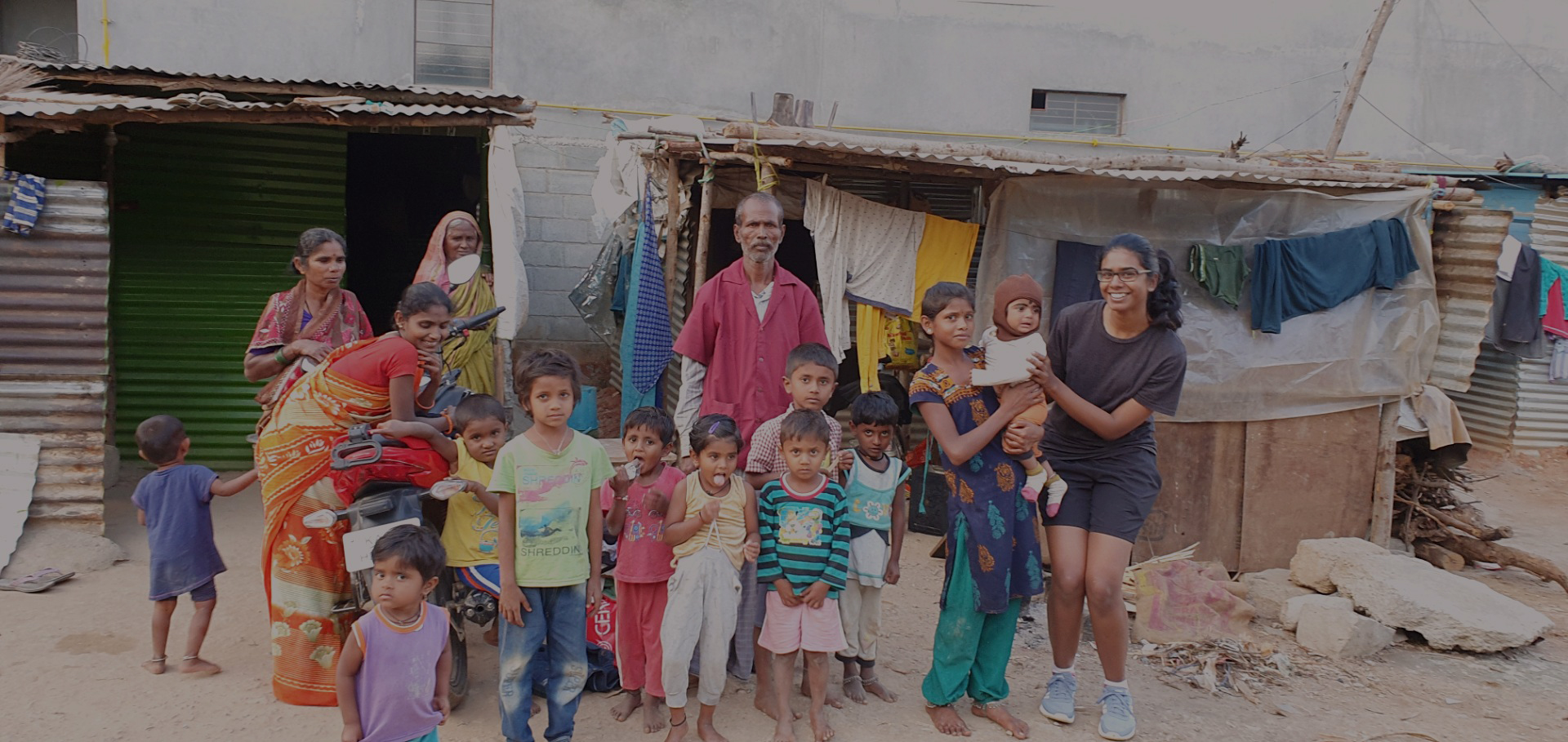
At the end of the session, we gathered all the donations and
matched it to 50 folks in the local squatter nearby in
Bellandur. Donations Included: Children Tshirts, Shirts for the
Elderly, Used Blankets, Trousers and Shorts.